
Thinking of becoming a foster parent?
Thinking of becoming a foster parent?
The need is now
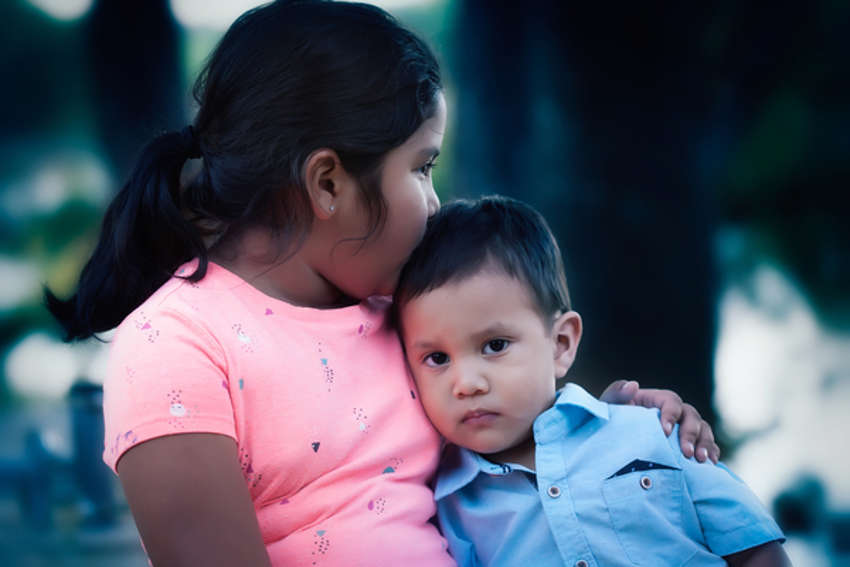
Children in the U.S. and around the world are facing crisis and separation from family. Some have been removed from their home due to family instability. Others are unaccompanied minors seeking asylum from violence, poverty, and persecution in their home country. No matter the reason for the separation, they need to know they’re safe during one of the most vulnerable times of their life. As a foster parent, you wrap your arms around a child caught up in circumstances beyond their control—providing a safe and loving temporary home
Two ways to support kids and families in our community
Domestic foster care
For foster families opening their hearts and homes to children, we seek to provide ongoing support—every heartwarming and heartbreaking step of the way. Watch video: A journey of a child through foster care
Short-term immigrant foster care
Unaccompanied children crossing the border need what all children need—a safe and loving home. Short-term immigrant foster care provides temporary homes to unaccompanied children until they can be reunited with family. Watch video: The journey of an unaccompanied migrant child
Frequently asked questions about foster care
Click to switch between the FAQs
Domestic foster care
Short-term immigrant foster care
How many kids are in foster care in the U.S.?
Over 400,000 children are in the U.S. foster care system. The average age of a foster child is 8, but there’s an urgent need for homes for older youth, ages 11-17, and homes that can keep siblings together.
How much does it cost to be a foster parent?
Foster parents receive a monthly, tax-free stipend. While the amount varies by state, most foster parents report it covers necessary expenses like food, clothing, and school supplies. You will discover additional out-of-pocket costs, which is why we recommend foster parents seek community resources and family support.
What are the qualifications to be a foster parent?
You must be at least 21 years of age and have sufficient space in your home for foster children. You can be married or single, and own or rent your home or apartment. The exact requirements vary by state. Staff at your local Bethany office will explain your state’s licensing requirements.
What qualities do you need to be a good foster parent?
You might assume a certain type of person makes an “ideal” foster parent—but that isn’t true. We’ve worked with single dads, seasoned grandmothers, first-time parents, and parents who both work full time. People from all walks of life can be foster parents.
What is short-term immigrant foster care?
Short-term immigrant foster care—also known as transitional foster care—provides a safe, temporary home to unaccompanied migrant children while we pursue their reunification with family in the U.S.
Do I have to speak the same language as my foster kids?
No. While bilingual parents make fantastic foster parents, it’s not required that you speak another language. Bethany provides translators and interpreters to ensure the kids in your care receive the support they need.
How old are the kids?
Most children in this program are ages 12 and under. In some areas, we also place adolescent mothers with young children in short-term foster homes.
How long does a child need care?
A typical stay is about 1-2 months but may be more or less depending on the child’s and their family’s needs.
Where do the children come from?
Children needing transitional foster care are fleeing community violence and unsafe conditions in Central America, with the most common countries being Guatemala, Honduras, and El Salvador. However, unaccompanied migrant children may also flee violence from other countries, and the U.S. is their first country of asylum.
Do I need to be licensed?
Yes. Bethany provides a fully integrated program, including licensing and training, case management, a daily educational curriculum, and primary and behavioral health support.
What’s my role as a foster parent?
As a foster parent to an unaccompanied child, you’ll provide a safe and loving temporary home during a difficult life transition. Foster parents provide transportation to and from school and appointments and emotional support children need to begin healing from past trauma. You’ll also serve as a valued member of our treatment teams to help assess and meet each child’s needs.
Contact your local Bethany to learn more
What is the process for becoming a foster parent?
The process to become a foster parent looks different in each state, based on their licensing requirements and regulations. Generally speaking, these are the steps to become a foster parent through Bethany:
- Attend a free informational meeting hosted by your local Bethany branch.
- Complete the certification process, which includes a thorough background screening and specialized foster care training from Bethany staff.
- Receive your first foster placement and welcome a child or children into your home.
Understand the two different journeys
Domestic foster care
Short-term immigrant foster care
Become a foster parent
Your help is critical—now more than ever—to show kids and families they’re not alone. Take the first step toward becoming a foster parent.